
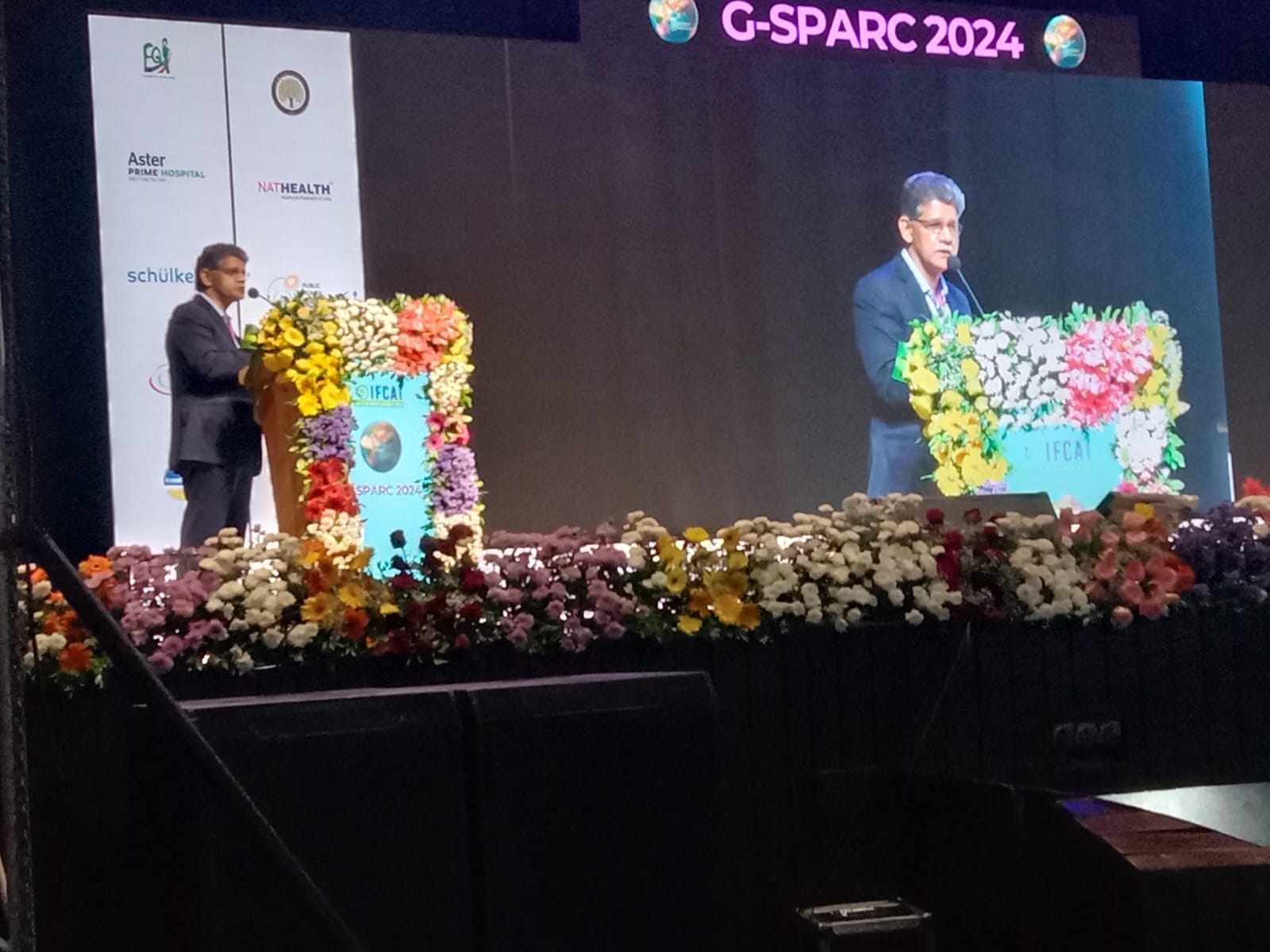
ACCESS Health International co-hosted a session titled “Multi-Stakeholder Dialogue on Systems Thinking and Approach to Reverse Antimicrobial Resistance (AMR) Growth” as part of the Global South Conference on Infection Prevention and Control and Antimicrobial Stewardship (G-SPARC) on October 3, 2024.
Moderated by Dr. N. Krishna Reddy, CEO of ACCESS Health International, the session brought together leading experts to address the ongoing global challenge of AMR and explore how systems thinking could offer a more effective strategy.
AMR remains a pressing global health issue, driven by the complexity of interconnected biological systems – humans, animals, plants, and the environment. Traditional approaches, which have primarily focused on human misuse of antimicrobials, have not been sufficient. This session highlighted the importance of a broader perspective, considering social, economic, and environmental factors, alongside healthcare systems, in tackling AMR.
The session featured contributions from distinguished speakers:
- Dr. Daniel Vanderende, Medical Officer at the CDC India Office, discussed the importance of global collaboration and coordination, stressing the need for a One Health approach to manage AMR effectively.
- Dr. Kamini Walia, Senior Scientist at the Indian Council of Medical Research (ICMR), emphasized the importance of assessing the social and environmental determinants of AMR and how they interact with community health behaviors.
- Dr. Rakesh Mishra, Director of TIGS Bangalore, highlighted the potential of genomic surveillance and digital technologies to revolutionize AMR detection and response.
- Mr Saiprasad, Executive Director of Bharat Biotech, reflected on the lessons learned from public-private partnerships during the COVID-19 pandemic and their potential in fast-tracking solutions for AMR.
- Dr. Vijay Agarwal, President of CAHO, addressed the lack of comprehensive quality assurance mandates for healthcare services, particularly in the context of AMR prevention.
A key point of discussion was the need for wider training in infection prevention and control (IPC) for frontline health workers, especially those outside hospital settings, as well as improving health literacy among the general population. These measures were recognized as essential for reducing infections and slowing the spread of antimicrobial resistance.
In his closing remarks, Dr. Reddy reiterated the importance of cross-sector collaboration, emphasizing that reversing the growth of AMR will require a concerted effort from governments, healthcare systems, the private sector, and communities alike.
This session underscored the urgency of adopting systems-thinking approaches and highlighted the need for global cooperation in tackling the growing threat of antimicrobial resistance.