
Chronic diseases are increasingly shaping the health landscape across the Asia Pacific region. Cardiovascular disease, chronic kidney disease, diabetes, and obesity are not isolated conditions; they are deeply interconnected and often occur together, creating a complex burden for patients and health systems alike. As populations age and multimorbidity becomes more common, health systems are facing growing pressure to deliver coordinated, continuous, and patient-centred care.
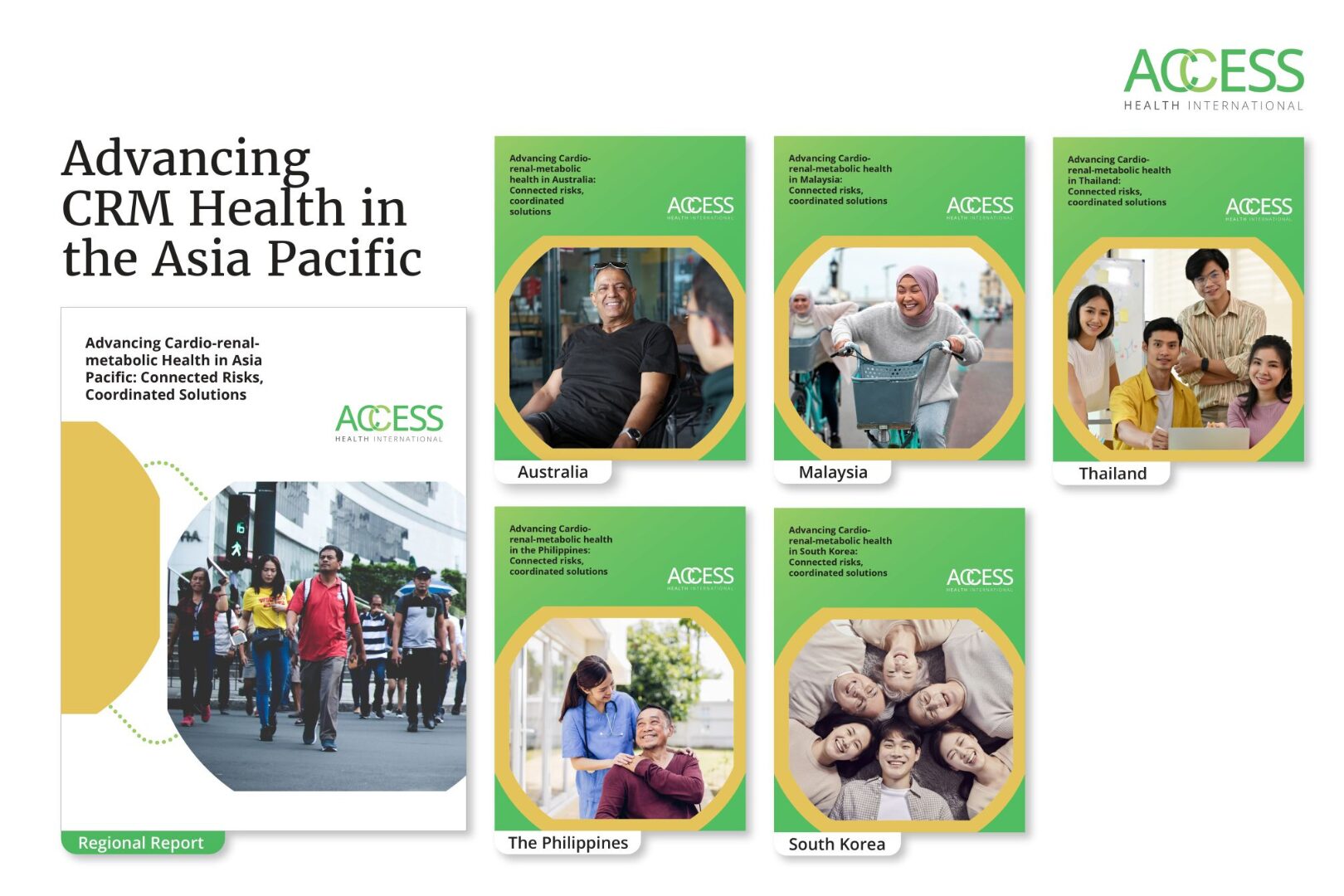
Recognizing the need for a more integrated approach, ACCESS Health International has launched its latest regional report, “From Fragmentation to Integration: Addressing the Cardio-Renal-Metabolic Care Crisis in Asia Pacific,” alongside a series of accompanying country reports that examine the evolving landscape of cardio-renal-metabolic (CRM) health across the region.
The reports explore how countries are responding to the increasing prevalence of interconnected chronic conditions and the challenges associated with managing them within traditionally fragmented healthcare systems. While significant progress has been made in the prevention and treatment of individual diseases, many health systems continue to struggle with care models that address cardiovascular, kidney, and metabolic conditions separately, often resulting in delayed diagnoses, gaps in care coordination, and poorer outcomes for patients.
Drawing on regional and country-level insights, the reports examine key barriers across the patient journey, including prevention, early detection, diagnosis, treatment, and long-term disease management. They highlight opportunities to strengthen health systems through integrated care pathways, multidisciplinary approaches, improved data systems, and policies that support continuity of care.
A major focus of the reports is the need to place patients at the centre of care delivery. Effective management of cardio-renal-metabolic conditions requires healthcare systems that can support individuals across multiple conditions over extended periods, rather than through isolated episodes of care. This shift calls for stronger coordination between healthcare providers, improved referral systems, greater emphasis on preventive care, and financing mechanisms that encourage integrated service delivery.
The accompanying country reports provide a closer look at the unique challenges and opportunities within individual health systems. They explore how policy frameworks, financing structures, workforce capacity, and service delivery models influence the quality and accessibility of CRM care, while identifying practical pathways for reform and innovation.
As the burden of chronic disease continues to rise, the conversation on cardio-renal-metabolic health must remain an ongoing one. The findings presented in these reports are intended to support policymakers, healthcare providers, researchers, and other stakeholders in developing evidence-based strategies that improve outcomes for patients and strengthen health system resilience.
By bringing together regional perspectives and country-specific insights, the reports contribute to a growing body of knowledge on integrated chronic disease management and offer a roadmap for moving from fragmented care models toward more coordinated, sustainable, and patient-centred health systems across the Asia Pacific region.
The regional report and accompanying country reports are available for download and serve as a valuable resource for stakeholders working to address one of the most pressing health challenges facing the region today. You can download the reports here: https://accessh.org/crm_in_apac/