
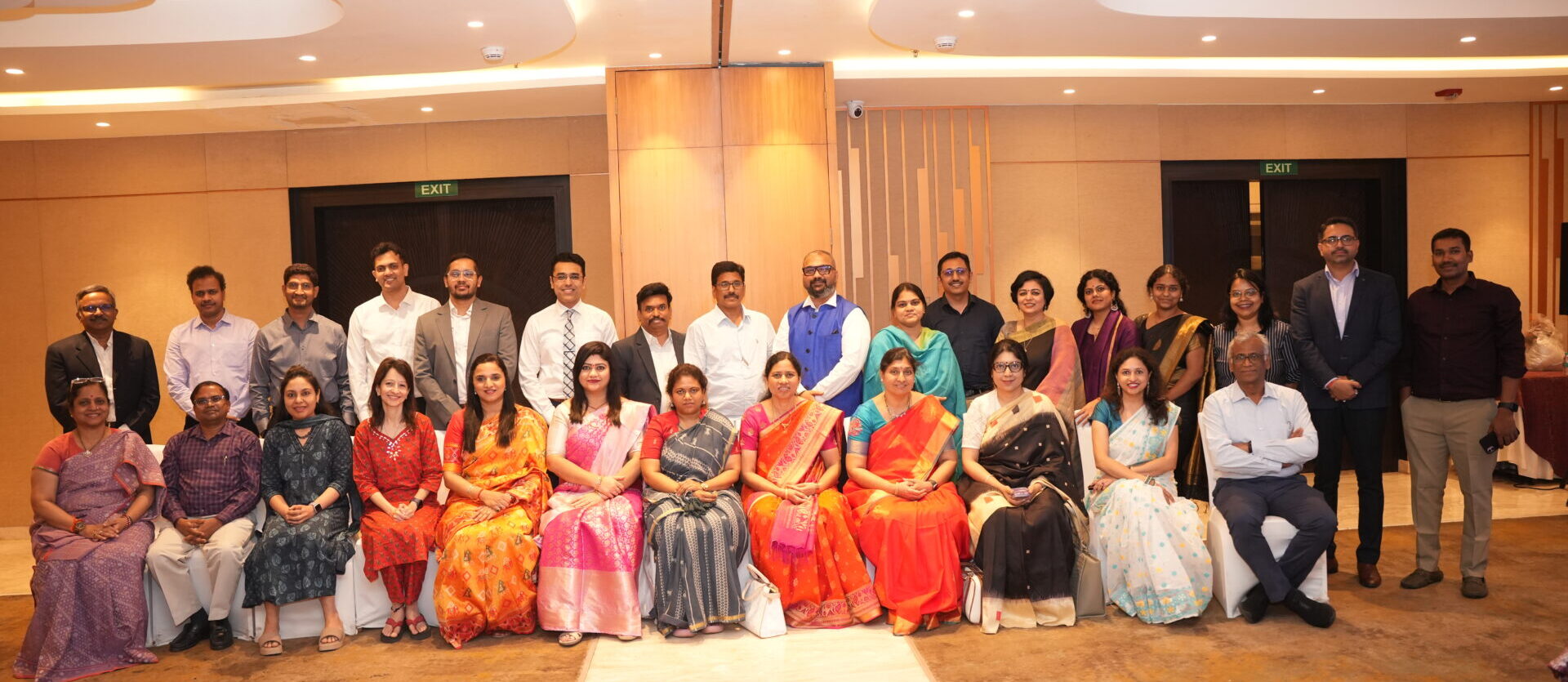
ACCESS Health International, in partnership with LV Prasad Eye Institute, convened an expert consultation workshop titled “Seeing the Future: Strengthening Retinal Care Access and Financing in Andhra Pradesh” on March 30, 2026, in Vijayawada.
The workshop brought together 30 experts representing a diverse cross-section of the retinal care ecosystem, including clinicians from government hospitals in Vijayawada and Visakhapatnam; leading institutions such as LV Prasad Eye Institute, Pushpagiri Vitreo Retina Institute, and Sankara Eye Hospital; representatives from Vision 2020 and the Seva Foundation; a patient advocate from the Blue Circle Diabetes Foundation; development partners; and industry stakeholders, including Roche Pharmaceuticals. The consultation was further strengthened by participation from the Government of Andhra Pradesh, including NTR Vaidya Seva, the State Health Authority, and the National Programme for Control of Blindness under the National Health Mission.
This consultation was built on a comprehensive landscape assessment conducted by ACCESS Health over the past few months, examining the burden of blindness, visual impairment, and retinal diseases in India, with a focused lens on Andhra Pradesh. The assessment identified critical gaps across the continuum of care, including limited screening, delays in referral, barriers to timely treatment initiation, and challenges in ensuring continuity of care.
The workshop opened with an address by Dr. Vivek Dave, Head, Anant Bajaj Retina Institute, who highlighted the rising burden of retinal diseases such as diabetic retinopathy and age-related macular degeneration. He outlined four key challenges in managing retinal diseases: gaps in screening, delays in referral, barriers to treatment initiation, and loss to follow-up. He also emphasized the promise of longer-acting, durable therapies in improving outcomes and reducing system burden.
Keynote addresses by Dr. Sunil Kumar Naik, Joint Director, National Programme for Control of Blindness, National Health Mission, Andhra Pradesh, and Dr. Naveen Kumar, Senior Executive Officer, Employee Health Scheme, NTR Vaidya Seva Trust, State Health Authority, Andhra Pradesh, highlighted the state’s progress in blindness control initiatives and ongoing efforts to expand retinal care coverage through strengthened health benefit packages.
Two panel discussions explored key thematic areas. The first focused on sustainable retinal care pathways, highlighting systemic constraints such as overburdened tertiary centers, shortages of retinal specialists, and inequitable access to advanced therapies. Participants emphasized the need to strengthen primary-level screening, enable timely referral, and ensure early treatment initiation. Persistent challenges affecting adherence, including repeated treatment requirements, psychological barriers, and indirect costs such as travel and wage loss, were also discussed.
The second panel focused on expanding access to advanced retinal therapies, with policy insights from Dr. G. Parmeshwari, Officer – Operations, NTR Vaidya Seva Trust, State Health Authority, Andhra Pradesh. Discussions highlighted trends in package utilization and retinal therapy uptake, the importance of balancing appropriate utilization with safeguards against overuse, and the need to reframe healthcare spending as an investment by considering the total cost of care across the disease lifecycle.
Patient perspectives brought attention to the often-overlooked social and economic burden of retinal diseases, including frequent hospital visits, caregiver strain, and income loss. The workshop concluded with a call for innovative financing models and the adoption of durable therapies to make retinal care more patient-centric and sustainable.
The consultation marked an important step toward strengthening retinal care systems in Andhra Pradesh, reinforcing the need for coordinated action across policy, clinical practice, and financing to build a more accessible, equitable, and sustainable eye health ecosystem.