
By Gurpratap Singh
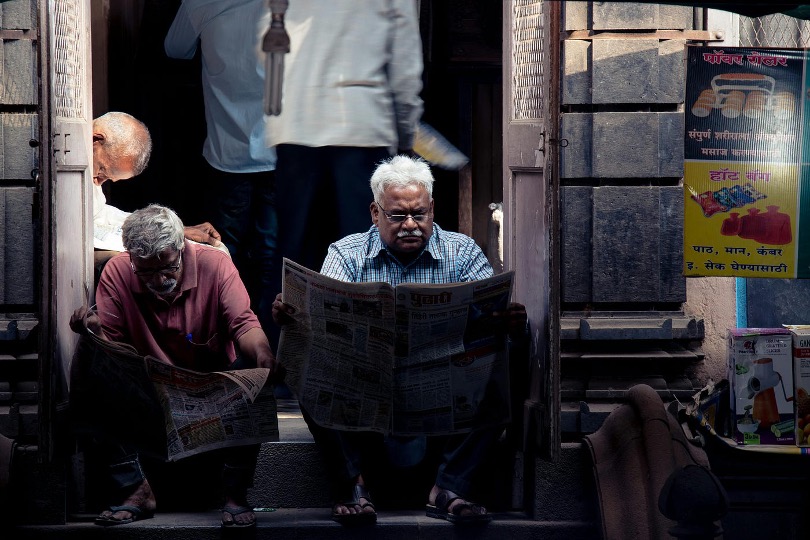
Image Credit: Dillip Behera
The episodes of heatwaves that scorched India did more than push temperatures to devastating heights, they exposed a critical gap in our national conversation about climate change. As millions grappled with power outages, water shortages, and health risks, most news coverage missed a crucial story: the direct link between these record-breaking temperatures and our changing climate. In a nation increasingly vulnerable to extreme weather events, this communication failure threatens our ability to build climate resilience.
This blind spot is stark: while coverage of the heatwave was extensive, only 14% of English-language articles connected it to climate change. The numbers were even lower in Hindi and regional media outlets — a particularly concerning fact given that regional media serves as the primary information source for most Indians. This disconnect between coverage and climate reality leaves millions without the context needed to understand and respond to the changing environment around them.
Recent findings from the Yale Program on Climate Change Communication paint a paradoxical picture of India’s climate awareness. While only 10% of Indians report knowing “a lot” about climate change, an overwhelming 91% express concern about global warming. Even more telling, 85% say they’ve personally experienced its effects through droughts, water scarcities, and changing disease patterns. This gap between lived experience and understanding signals an urgent need for better climate communication, particularly in regional languages and local contexts.
The stakes are deeply personal for many Indians. The Yale survey found that one-third have either relocated or considered moving due to weather-related issues. Yet only two-thirds receive advance warnings of extreme weather, and nearly half feel unprepared for severe climate events. These vulnerabilities demand immediate attention, especially in rural and semi-urban areas where access to climate information and resources remains limited.
The impact of this knowledge gap extends beyond individual preparedness. Without proper understanding of climate change’s role in extreme weather events, communities struggle to implement effective adaptation strategies. Local governments, too, may fail to prioritize climate resilience in their planning and development initiatives. The result is a cycle of reactive responses rather than proactive preparation for future climate challenges.
However, there’s reason for optimism. Over 85% of Indians are willing to modify their daily routines to combat global warming, and more than 80% support renewable energy policies. This readiness for change suggests that better climate communication could catalyze significant action at both individual and community levels. The challenge lies in translating this willingness into informed action through clear, accessible information about climate impacts and solutions.
Yet this transition isn’t without its complexities. Concerns about potential job losses and rising electricity costs persist, particularly in communities dependent on traditional energy sectors. This ambivalence underscores the need for clear communication about the economic opportunities in India’s green transition. Success stories of renewable energy creating new jobs and reducing energy costs need to be highlighted, especially in regional media where such narratives are often absent.
The path forward requires a coordinated effort across multiple fronts. India’s media institutions must prioritize climate literacy among journalists, particularly those working in regional languages. This means investing in training programs that help reporters understand and communicate climate science effectively. Government agencies and research institutions can support this by making climate data and expertise more accessible to media outlets across languages.
Educational institutions also have a crucial role to play. With 92% of Indians supporting a national climate education program, there is a clear public appetite for formal climate education. Schools and colleges can integrate climate science into their curricula, while adult education programs can help bridge the knowledge gap in older generations. Prime Minister Modi’s “Lifestyle for Environment” (LiFE) initiative could serve as a framework for this educational push, particularly if it emphasizes practical, locally relevant climate solutions.
Civil society organizations and NGOs can further strengthen these efforts by developing grassroots climate communication programs. These organizations often have deep community connections and can effectively translate climate science into local contexts. Their work becomes especially valuable in reaching vulnerable populations who may have limited access to formal education or mainstream media.
Technology can also play a vital role in bridging the climate communication gap. Mobile apps, social media, and messaging platforms can deliver climate information directly to users in their preferred languages. Early warning systems for extreme weather events can be integrated with these platforms, improving community preparedness and resilience.
The 2022 heatwave wasn’t just a weather event; it was a preview of our climate future. As India faces escalating climate threats, we must shift from reactive responses to proactive preparation. This transformation begins with better climate communication — making complex science accessible, connecting global patterns to local impacts, and empowering citizens with the knowledge they need to act.
By addressing the climate communication gap, we can help create a more resilient India — one where communities understand climate risks and are equipped to face them. The public willingness exists; now we need the institutional commitment to translate this readiness into effective action. Our future depends on bridging this divide, ensuring that every Indian citizen has the information and tools they need to participate in building a climate-resilient nation.
This article was originally published on Medium.
The author is a strategic communications professional and advisor specializing in the Asia region.