
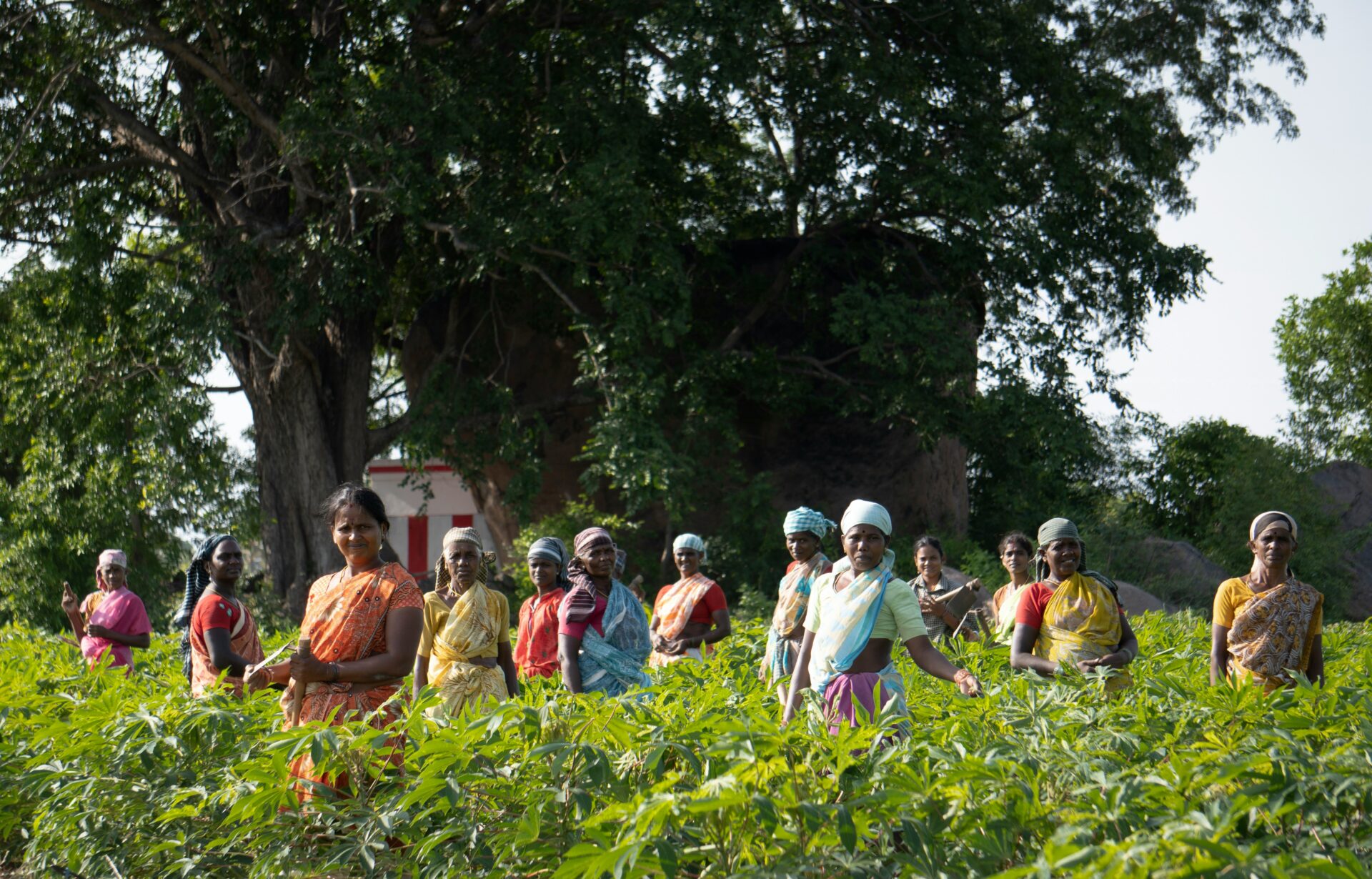
At ACCESS Health International, we believe that resilient and equitable health systems are not built through top-down reforms alone. They are co-created through the active participation, trust, and empowerment of the very people they are meant to serve. If the COVID-19 pandemic has taught us anything, it is that health systems cannot afford to treat communities as passive recipients of services. Communities must be engaged as co-owners, as co-creators, and as custodians of their own health security.
In our conversations and collaborations across countries, a recurring theme has emerged—health systems will only be as strong and adaptive as the people they are built for. In the triangle of governance, the role of the people is as vital as that of the government and the private sector. Yet far too often, health policies and programs are designed without consulting the very populations they aim to help. No system can be truly people-centered unless it brings people into the heart of the policy discourse, equips them with the right knowledge, and empowers them to meaningfully access and benefit from the services that are rightfully theirs.
At ACCESS Health, we are translating this vision into action through projects that place communities at the center of design and delivery. One such effort is underway in Chhattisgarh, where we are implementing a health literacy initiative aimed at combating non-communicable and lifestyle-related diseases. NCDs are among the leading causes of death and disability in India, yet awareness of risk factors and prevention remains low in many communities. In partnership with community health workers, we are raising awareness about the importance of healthy habits—encouraging individuals to make informed choices about diet, exercise, tobacco use, and early detection. What makes this initiative distinctive is its participatory nature. Community members are not just recipients of information—they help shape the way health messages are crafted and delivered, ensuring they are culturally appropriate, accessible, and relevant.
In the tribal districts of Telangana, we are advancing participatory action research to improve health outcomes in some of the most underserved areas of the country. These regions face multiple layers of disadvantage—geographic, economic, and social—which traditional health programs often fail to account for. Through our work, we are facilitating spaces where community voices guide the identification of health priorities, shape the design of interventions, and play an active role in monitoring and feedback. This bottom-up approach not only builds trust but also enhances accountability and ensures that solutions reflect the lived realities of the people they intend to serve.
Our efforts are also extending into more specialized areas of care. We are currently developing tailored health literacy tools for heart patients, aimed at helping individuals adopt and sustain lifestyle changes essential for cardiovascular health. This includes creating materials and counseling frameworks that are accessible, actionable, and aligned with patients’ day-to-day realities. Bridging the gap between clinical advice and actual practice is critical—especially in chronic disease management, where long-term behavioral change often determines outcomes more than the availability of medical interventions alone.
Another pressing challenge we are addressing is the infodemic—the widespread misinformation that often accompanies health emergencies. Whether during COVID-19, vaccination drives, or disease outbreaks, misinformation can erode trust, delay care-seeking, and endanger lives. We have seen firsthand how community engagement and health literacy are key defenses against this threat. When people trust local sources, when they understand the science behind health messages, and when they feel ownership over their health decisions, they are far more resilient in the face of fear or falsehood.
What connects all these initiatives is a core belief: people are not the problem to be fixed—they are the solution to be empowered. Health systems can only be strengthened when we invest not just in infrastructure and technology, but in people’s capacity to understand, act, and lead. This means building literacy, listening deeply, and creating formal mechanisms through which communities can shape the policies and systems that affect them.
Resilience is not a static end state—it is a dynamic process rooted in relationships, trust, and shared responsibility. At ACCESS Health, we are committed to continuing this journey—one that moves from knowledge to action, from exclusion to inclusion, and from designing for people to building with them.
The future of health systems lies not just in better funding or smarter technology—but in recognizing that the most powerful force in health is an informed and empowered community.