
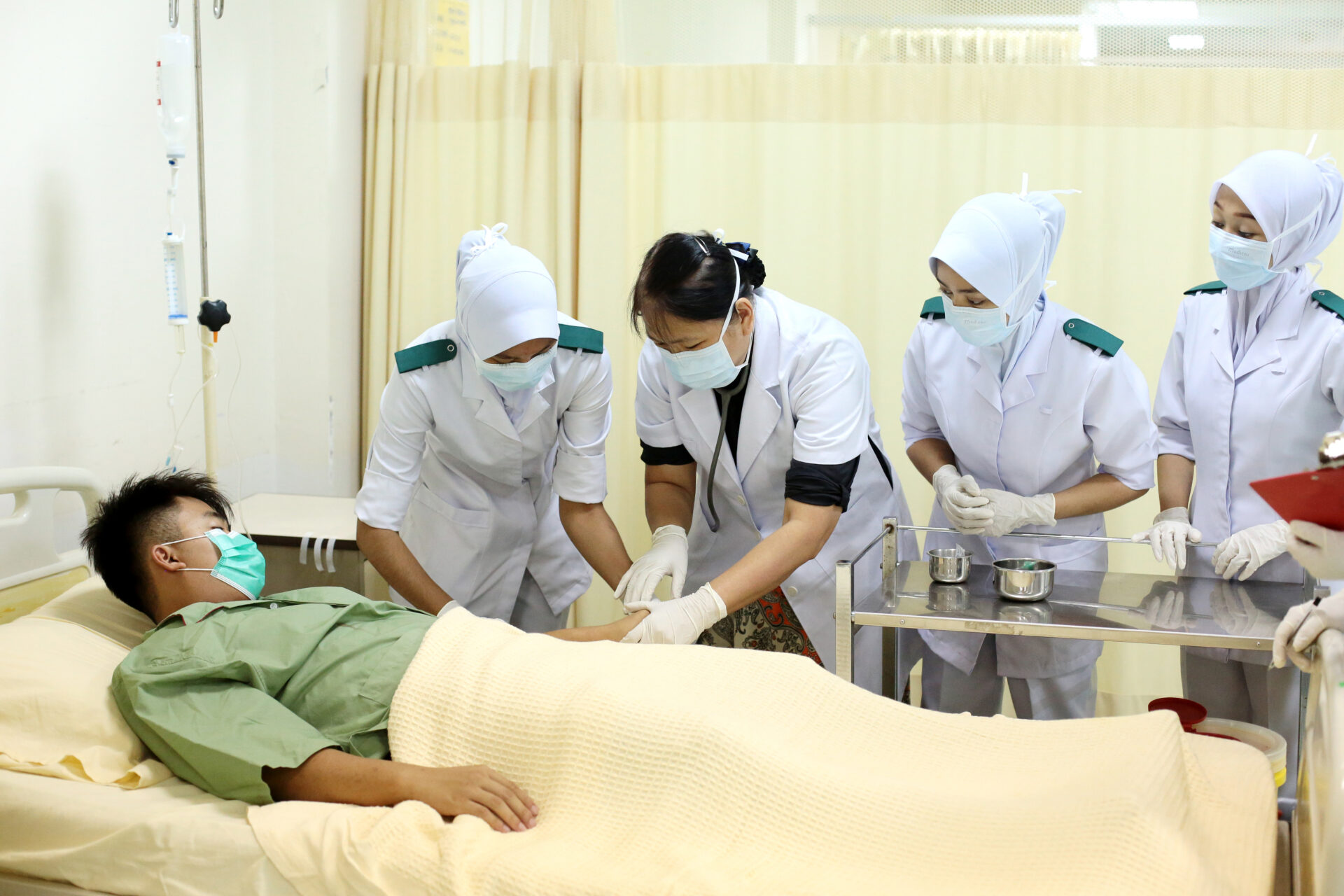
A resilient health system is only as strong as the people who sustain it. Doctors, nurses, public health practitioners, managers, and allied health workers form the backbone of care delivery. Yet, across the world, the systems that prepare these professionals have not kept pace with the demands of modern healthcare. The COVID-19 pandemic exposed the cracks in our health workforce architecture. Climate change, the rising burden of noncommunicable diseases, and digital disruption continue to deepen them.
At ACCESS Health International, we have long believed that investing in people is central to building sustainable health systems. Over the years, we have designed and delivered capacity-building programs that empower healthcare professionals and health systems practitioners to meet emerging challenges. These programs have spanned diverse areas, from digital health and health financing to public health leadership, equipping participants with practical skills and a broader systems perspective. They have demonstrated time and again that when individuals are given the right tools and knowledge, the impact extends far beyond the training. It strengthens institutions, improves service delivery, and ultimately benefits patients and communities.
Beyond Training: A Call for Systemic Reform
While capacity building is vital, it cannot substitute for comprehensive reform of health professional education. The existing models of training often remain fragmented, outdated, and narrowly clinical in focus. Too little emphasis is placed on interprofessional collaboration, health management, community engagement, and the integration of technology. As a result, professionals graduate without the competencies required to respond to today’s complex health challenges.
If we are to build health systems capable of withstanding future shocks and delivering equitable care, we must reimagine education and training for the entire spectrum of health professionals, that is, clinical, managerial, public health, and allied cadres. This means:
- Embedding multidisciplinary competencies into curricula, so that health workers can operate effectively across clinical, managerial, and public health domains.
- Promoting continuous professional development through modular and digital platforms that allow professionals to learn and adapt throughout their careers.
- Strengthening community orientation to ensure professionals are not only technically sound but also responsive to the lived realities of the populations they serve.
- Harnessing digital technologies to scale high-quality learning, foster innovation, and prepare the workforce for the digital transformation of healthcare.
Our Work Across Regions
Our experience has shown that training programs can catalyze change, but without systemic reform, the gains remain localized and uneven. We therefore see our role as twofold: to continue innovating in capacity-building initiatives while also championing broader reforms that transform health professional education systems.
In India, our Management Development Program in Health Informatics, conducted with the Administrative Staff College of India (ASCI) and InOrder, The Health Systems Institute, has built critical capacities for professionals to govern digital health initiatives. Likewise, our technical assistance to the Ayushman Bharat Digital Mission has combined training with system-wide digital adoption, ensuring that workforce development keeps pace with policy ambitions.
In Southeast Asia, we have supported governments and academic institutions to build local capacity in health financing and universal health coverage. In the Middle East and North Africa, our Dubai-based office has been working with governments and partners to address the unique workforce challenges of a rapidly growing and diverse population. This includes advancing digital health skills and leadership training to ensure health workers can navigate demographic transitions and technological shifts.
Through the Global Learning Collaborative for Health Systems Resilience (GLC4HSR), we are fostering learning exchanges that strengthen workforce preparedness. Across all these regions, our Health Informatics Network has emerged as a platform to set common standards for education and training in this fast-evolving field. By convening stakeholders from government, academia, and industry, the network is helping shape curricula that prepare professionals for the digital future of healthcare.
Equally important, we have been advocating for proven interventions that go beyond conventional training. One of these is nurturing a culture of daily learning across provider systems. This culture ensures continuous learning is embedded into daily routines, making professional development a lived reality rather than a periodic exercise.
Another principle we strongly champion is “employee-first.” During the pandemic, while most attention was understandably on patients, very few systems considered the unique personal, family, and social needs of health workers. We have long believed that to care for patients, we must first take care of those who provide the care. Investing in the wellbeing, morale, and resilience of health workers is essential for any sustainable system of care.
Building for the Future
Strengthening the health workforce is not simply about producing more graduates. It is about nurturing professionals who can lead, innovate, and adapt in a rapidly changing world. It is about preparing individuals who are not only clinically competent but also capable of managing systems, engaging with communities, and leveraging technology for better outcomes.
We must recognize that the health workforce is the foundation upon which every other element of the health system rests. Financing, governance, service delivery, and technology all depend on skilled and motivated professionals to translate vision into impact. Without a bold rethinking of education and training, health systems will remain fragile, fragmented, and inequitable.
At ACCESS Health International, we are committed to advancing this agenda through action and advocacy. By building expertise today, we can empower a health workforce that not only sustains health systems but transforms them, creating healthier, more resilient societies for generations to come.