The strategic role of vendor negotiation in healthcare infrastructure
Picture a hospital. What do you see? Doctors, nurses, patients, lifesaving technology, and the hustle of a hospital? What we fail to visualise are the invisible systems working quietly in the background. Air handling systems that prevent infections, power backups that keep ventilators running, fire safety systems that protect lives, and medical gas pipelines that deliver oxygen where it is needed most.
In healthcare infrastructure projects, negotiations with vendors are not just about getting the best price. They are about ensuring safety, reliability, compliance, and long-term performance. Whether the discussion is with MEP vendors (mechanical, electrical, and plumbing), fire safety specialists, construction firms, medical equipment suppliers, furniture and fixture partners, healthcare IT providers, or service vendors, the outcome of these negotiations can shape the success of a hospital for years to come.
Unlike commercial buildings, hospitals cannot afford downtime. A power failure, poor air circulation, delayed fire response, or substandard maintenance support can have serious consequences. That is why vendor negotiations in healthcare must go far beyond cost alone.
A hospital is one of the most complex buildings to design, build, and operate. Every system must work in coordination, often under high-pressure conditions. A negotiation done well help ensure that these systems are not only installed, but are dependable, compliant, and future-ready.
Key Factors
1. Cost vs. Value Balance
Hospital infrastructure systems are expensive, especially HVAC, power backup, fire protection, and medical gas systems. But the lowest upfront price is not always the smartest choice. Strong negotiations help decision-makers weigh initial cost against long-term value. This includes energy efficiency, maintenance needs, warranty coverage, service quality, and replacement costs over time. A cheaper system that fails more often or consumes more power can become far more expensive in the long run.
2. Reliability & Redundancy
In a hospital, critical systems must work without interruption. Backup power, air conditioning in sensitive areas, fire suppression systems, and oxygen delivery lines all need built-in redundancy and dependable support.
This is where negotiation becomes strategic. It is essential to secure service-level agreements (SLAs) for uptime, response times, repair turnaround, and emergency support. In healthcare, reliability is a necessity.
3. Integration & Coordination
Hospital systems do not operate in isolation. Air handling affects infection control. Fire alarms influence evacuation planning. Electrical systems support life-saving equipment. Medical gas lines connect directly to patient care.
Vendor negotiations help clarify who is responsible for each interface, especially where multiple contractors are involved. Without that clarity, important gaps can emerge between systems — and in hospitals, gaps can become risks.
4. Long-Term Maintenance & Training
Hospitals operate around the clock, so long-term maintenance support, spare parts availability, and staff training need to be part of the negotiation from day one. Vendors should not simply install systems and walk away; they should help build the hospital’s internal capacity to run those systems safely and efficiently.
5. Patient Safety & Compliance
Healthcare facilities must comply with strict standards and regulations, including NABH, NFPA, JCI, and local fire and building codes. This is especially critical in spaces such as ICUs, operating theatres, and isolation wards, where any system failure can directly affect patient outcomes.
Vendor negotiations must ensure that equipment is certified, installation meets required standards, and testing and commissioning are carried out properly. In a hospital setting, compromising on specifications is never a minor issue.
Key Negotiation Focus Areas
| Domain | Negotiation Priority | Impact |
| Mechanical (HVAC) | HEPA filters, pressure zoning, energy efficiency | Infection control, patient comfort |
| Electrical | Redundant UPS/gensets, SLAs for uptime | Life-support reliability |
| Plumbing | Medical gas pipelines, sterile water systems | Safe patient care |
| Fire Safety | Certified suppression systems, evacuation protocols | Life safety, regulatory compliance |
| Contracts | Warranties, AMC & CMC, training etc | Long-term resilience |
Key takeaways for successful vendor negotiation
- Bring vendors into design discussions to align on clinical requirements.
- Use standardized BOQs, approved make-list, and technical specifications to avoid ambiguity.
- Negotiate on outcomes (uptime, response times, compliance) rather than just supply.
- Involve clinicians, biomedical engineers, and facility managers in vendor evaluation.
- Ensure vendors commit to scalability and upgrades for evolving healthcare needs.
To evaluate vendors systematically and transparently on technical, financial and compliance aspect a checklist is followed by matured healthcare facilities. Hospital purchase committee is responsible and accountable for conducting this evaluation.
Vendor Negotiation Checklist for Hospital Purchase Committees
1. Technical Aspects
- Specifications & Standards
- Confirm adherence to NABH, NFPA, JCI, and local building/NBC and fire codes.
- Verify equipment certifications (ISO, CE, BIS, UL).
- System Design & Integration
- Ensure compatibility with hospital workflows (HVAC zoning, medical gas pipelines, redundant power, medical and lab equipment).
- Performance Guarantees
- Uptime commitments for critical systems (UPS, generators, HVAC).
- Fire detection and suppression response times.
- Testing & Commissioning
- Detailed protocols for acceptance testing.
- Third-party validation of system performance.
- Maintenance & Training
- Availability of spare parts and consumables.
- Training programs for hospital engineers and technicians.
2. Financial Aspects
- Transparent Pricing
- Itemized BOQ (Bill of Quantities) with clear unit costs.
- Avoid bundled pricing that hides critical components.
- Lifecycle Costing
- Evaluate energy efficiency, maintenance costs, and consumables.
- Compare AMC & CMC terms across vendors.
- Payment Terms
- Link payments to milestones (delivery, installation, commissioning).
- Negotiate retention clauses for performance guarantees.
- Warranties & Guarantees
- Minimum 2–5 years warranty on major equipment.
- Extended warranty options and cost implications.
- Risk Sharing
- Penalty clauses for delays or non-compliance.
- Escalation matrix for dispute resolution.
3. Compliance & Governance Aspects
- Regulatory Alignment
- Ensure vendor solutions meet local body and other department approvals.
- Compliance with biomedical waste and water safety regulations.
- Documentation
- Vendor to provide SOPs, O&M manuals, and compliance certificates.
- Clear record of testing, commissioning, and handing over.
- Audit & Transparency
- Allow external audits of vendor performance.
- Ensure procurement follows hospital governance frameworks.
- Ethical Practices
- Vendor declarations on anti-corruption, fair trade, and labor standards.
- Conflict-of-interest disclosures for committee members.
- Future-Proofing
- Scalability for future expansions.
- Commitment to upgrades aligned with evolving healthcare standards.
Practical Tips for Committees
- Involve clinicians, biomedical engineers, and facility managers in vendor discussions.
- Compare vendors against industry best practices and peer hospitals.
- Ask vendors to demonstrate system resilience under simulated emergencies (power outage, fire drill etc).
- Use competitive bidding and reference checks to strengthen bargaining power.
The bigger picture
The most effective hospital purchase committees do not negotiate only for price. They negotiate for performance, compliance, accountability, and long-term resilience. That is what ultimately ensures that the systems behind the walls of a hospital continue to safeguard lives every day.
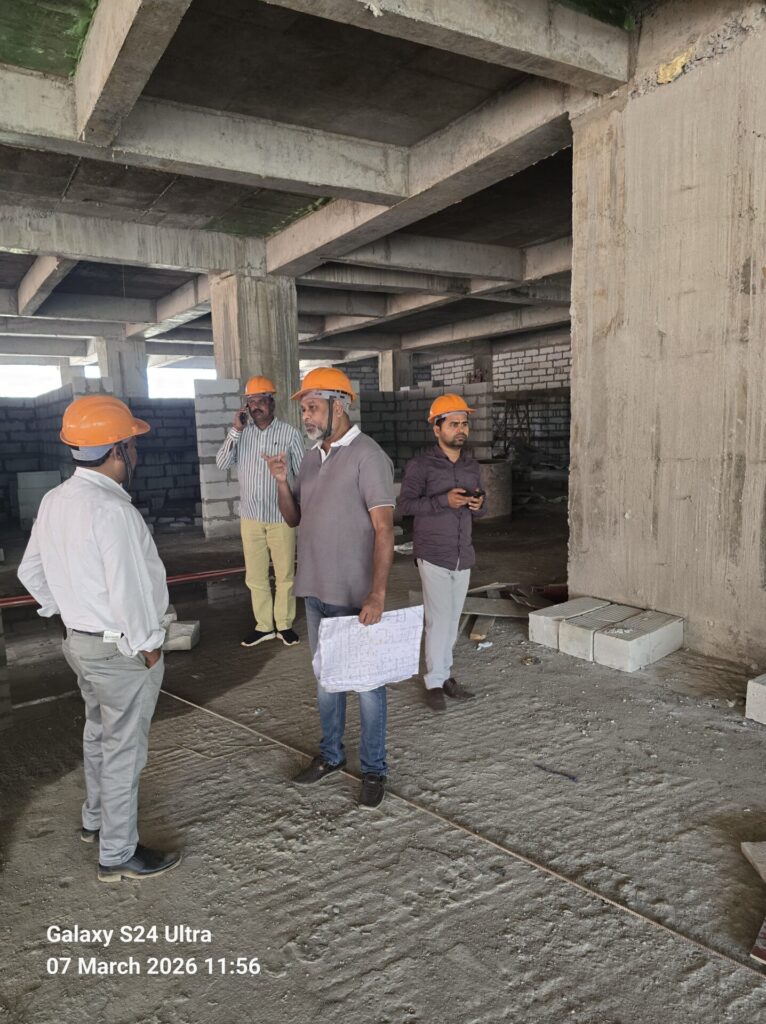
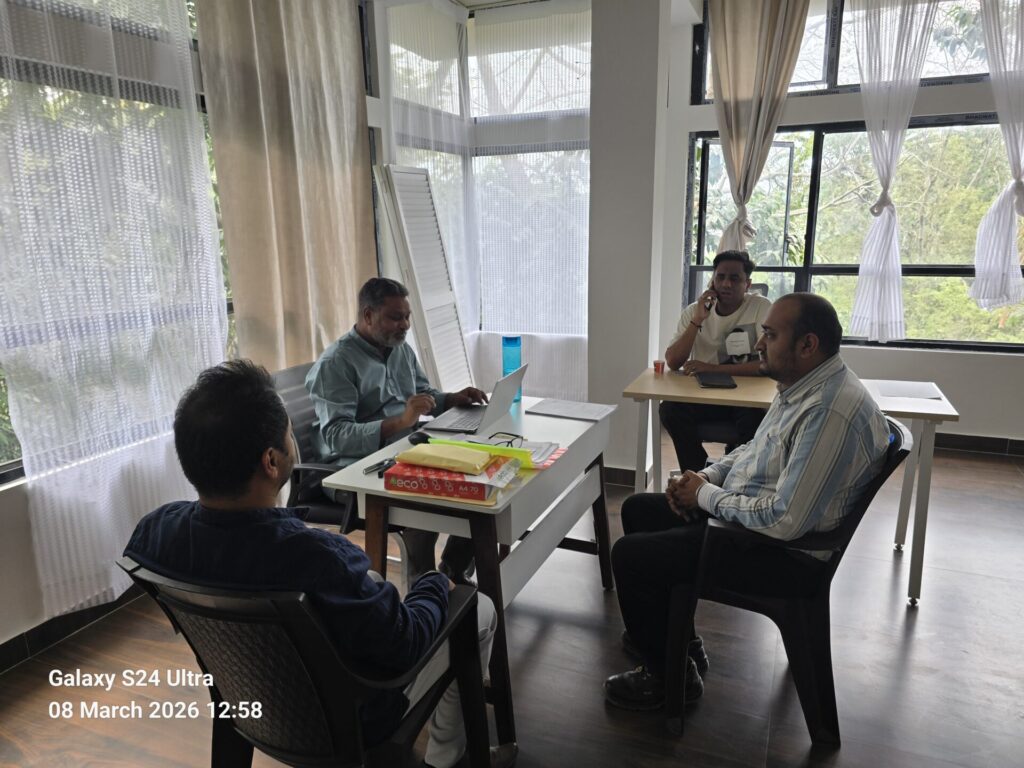
ACCESS Health International brings this perspective into practice through its work with partners, stakeholders, and vendors to help deliver resilient healthcare infrastructure. Recently, ACCESS Health successfully concluded vendor negotiations and onboarded MEP, fire safety, and medical gas pipeline vendors for one of its ongoing projects in the North East region of India.
In many ways, these negotiations may remain invisible to the public eye. But their impact is anything but invisible. They help build the systems that keep hospitals safe, functional, and ready when lives depend on them most.