
When I look back to June 2018, what I remember most is the sense of excitement. A small team from ACCESS Health International began our journey as technical partners to the State Health Agency, SACHIS, to support the rollout of Ayushman Bharat Pradhan Mantri Jan Arogya Yojana (PM-JAY) in Uttar Pradesh. At the time, PM-JAY was a bold promise: a nationwide health assurance scheme designed to provide financial protection against catastrophic healthcare costs for millions of families. For us, the task ahead was clear: to help translate that promise into real access for the people of Uttar Pradesh.
Seven years later, SACHIS has grown more than fourfold, and so has the scale and impact of the scheme in the state. From those early days of supporting the setup of systems and processes, to the design and implementation of innovative pilot projects, and to today’s reality of a program serving over 9 crore citizens across Uttar Pradesh through a network of 6,000 hospitals, it has been an extraordinary journey of partnership, learning, and impact.
From the beginning, ACCESS Health’s role of technical support has been deliberately catalytic. We were here to strengthen government functions, to provide technical expertise, sharpen processes, and enable the state to deliver better services. Over these seven years, our support has spanned:
- Strengthening insurance functions of enrollment, hospital network management, claims management systems, etc.
- Private sector mobilization through professional associations, bodies, and district administrations to help raise awareness among private hospitals about the value proposition of PM-JAY. These efforts led to a reduction in specialty gaps and the onboarding of several large private hospitals into the network.
- Driving digital innovations such as the piloting and rollout of pioneering initiatives, including the Green Channel Payment System, which enabled faster hospital reimbursements, and promoted the adoption of the Ayushman Bharat Digital Mission (ABDM) to strengthen the digital health ecosystem.
- Jointly designing and implementing citizen-centric care coordination innovations such as Ayushman Sampark (a care coordination 24X7 helpline), Ayushman Sarathi (a mobile application for citizens), and Ayushi (ChatBot) that enable beneficiaries to seamlessly access hospital information, book OPD appointments, register grievances, and receive round-the-clock AI-powered assistance. These initiatives are transforming how citizens access information and healthcare services under PM-JAY.
Each of these contributions may seem technical on the surface, but together, they represent a shift in how citizens experience the scheme, moving from simply being covered on paper to actually accessing care with dignity and ease.
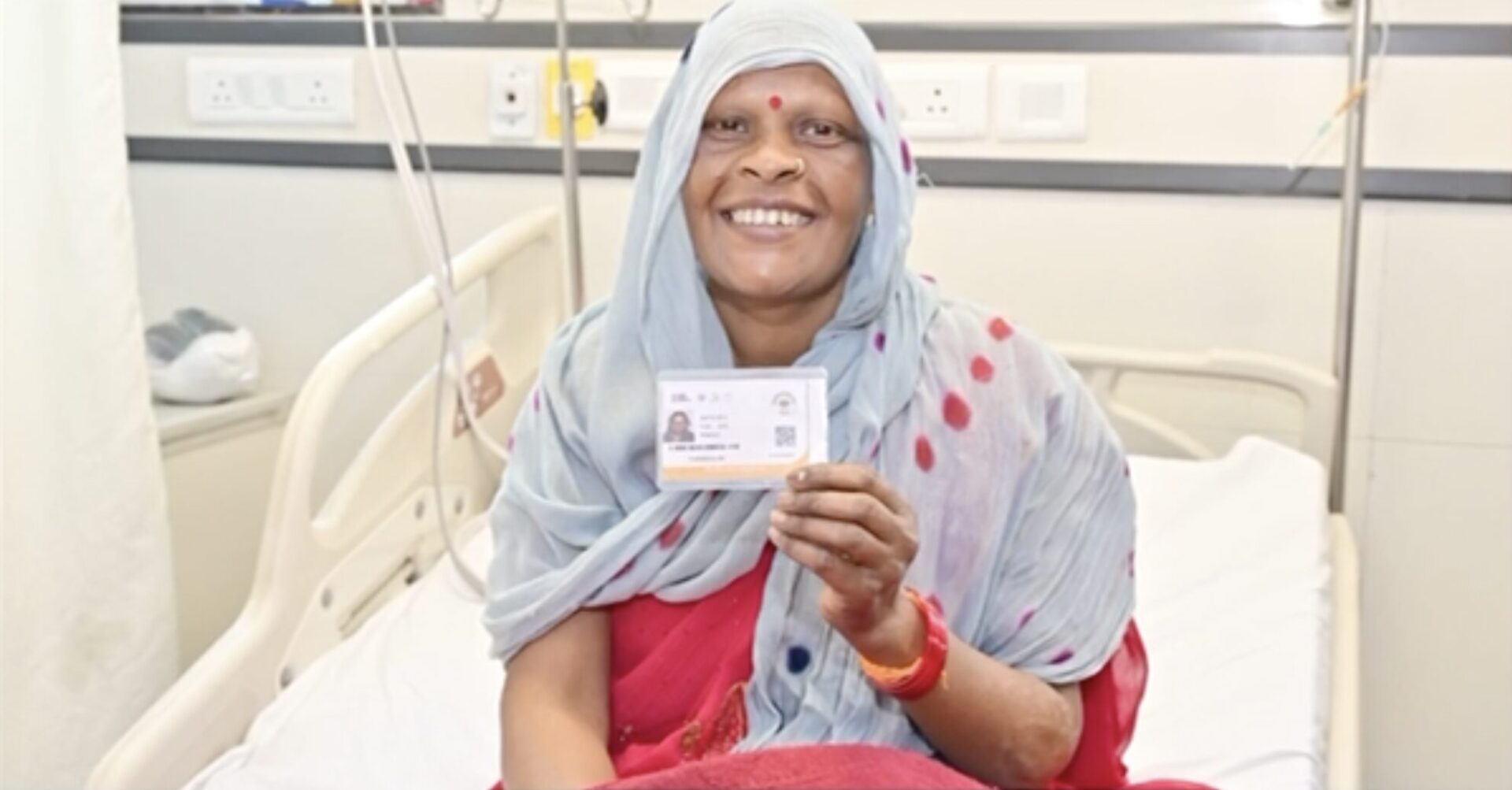
I have met families who could afford life-saving surgery. Mothers who carried premature babies home from neonatal intensive care units because PM-JAY covered the costs. Elderly citizens who no longer fear hospitalization because they know they are protected. These are the moments that remind us why strengthening a scheme like PM-JAY is about people and their basic right to access care.
The journey has not been without its challenges. Onboarding private hospitals and ensuring equitable access across aspirational districts required persistence and negotiation. Fraud detection and management demanded tighter systems and zero-tolerance policies. Ensuring quality of care while expanding access has been a constant balancing act.
But what has made these challenges surmountable has been the openness of the government leadership, who are willing to experiment, try new models, and build partnerships.
The next phase of this journey is about going beyond numbers. With coverage expanded, the focus must now be on quality, equity, and accountability. Over the next two years, the priorities will be to strengthen hospital capacity, expand maternal and child health packages, build fraud-proof systems, and leverage digital health tools for coordinated, people-centered care.
ACCESS Health remains deeply committed to this partnership. Our role will continue to be that of an enabler- working behind the scenes to help government systems function better, faster, and more equitably.
For me personally, this has been more than just a professional assignment. It has been a privilege to work alongside dedicated colleagues in government and within ACCESS Health, watching ideas grow into institutions, and pilot initiatives transform into large-scale reforms. It has been equally rewarding to see the SACHIS team expand from 17 to 70 members, each bringing their passion, expertise, and commitment to making healthcare more accessible.
Seven years may feel like a milestone, but in many ways, it is only the beginning. Universal health coverage is not a destination; it is a journey of constant adaptation, innovation, and accountability. As I reflect on these years, I feel hopeful that together, we are moving steadily towards a healthcare system that truly delivers on its promise: health for all, without financial hardship.