
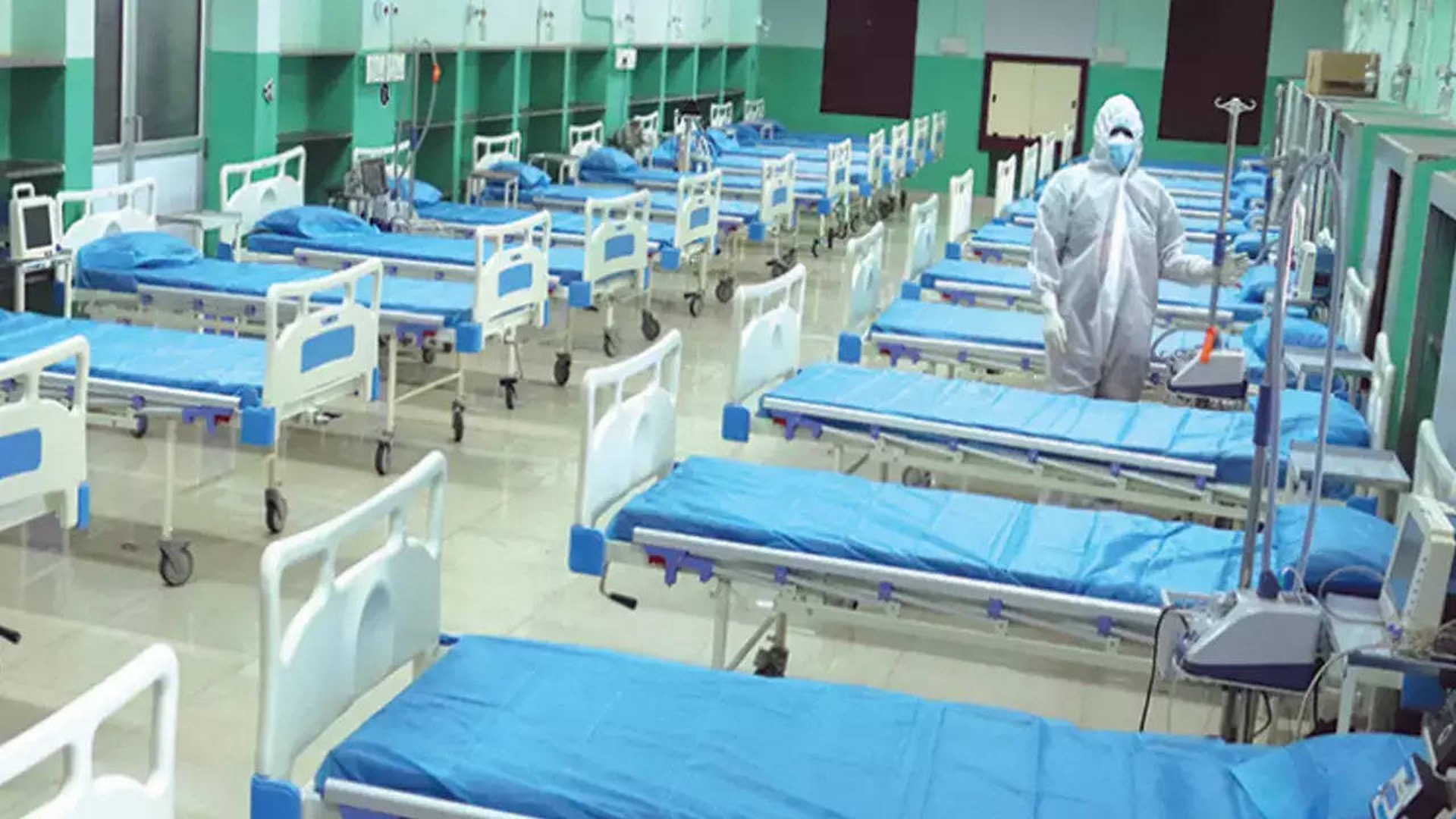
In the evolving landscape of healthcare, the metrics we use to assess hospital bed capacity must adapt to modern realities. While the World Health Organization (WHO) traditionally recommends one hospital bed per 1,000 people, this benchmark was established in an era when hospitalizations were more frequent and prolonged. Today, with advancements in medical technology and healthcare delivery models, the dynamics have shifted significantly.
A Changing Paradigm in Hospitalization
Hospital stays are becoming shorter, with the average length of stay (ALOS) dropping to as little as three days in many settings. In India, assuming a hospitalization rate of 3% and an ALOS of four days, a population of 1,000 would require only 120 bed-days annually—equivalent to one bed per 3,000 people. A further reduction in ALOS to three days adjusts this need to one bed per 4,000 people.
By strengthening primary healthcare systems focused on health promotion, disease prevention, early detection, and timely treatment, hospitalization rates can be reduced even further. The adoption of home-based monitoring tools and telemedicine has also enabled earlier discharges and supported the rise of daycare procedures, decreasing the dependency on inpatient beds.
Moving Beyond Traditional Benchmarks
Given these changes, reliance on WHO’s conventional definition of bed capacity is no longer sufficient. Instead, capacity utilization—the percentage of beds occupied at a given time—offers a more relevant metric. Sustained average occupancy rates above 80% indicate a need to expand capacity.
Interestingly, in India, the private sector often experiences lower bed utilization compared to the public sector. This disparity underscores the need to either enhance public sector capacity or strategically leverage the underutilized capacity in private facilities through partnerships.
The Importance of Bed Composition
The COVID-19 pandemic exposed critical gaps in bed composition. The acute shortage of intensive care beds and oxygen-supported beds highlighted the need for proactive planning. A valuable lesson learned is the importance of equipping all beds with essential infrastructure, such as gas lines, to enable rapid conversion to intensive care beds during emergencies.
Furthermore, many hospital beds are occupied by patients requiring long-term or end-of-life care. Establishing separate facilities for these needs could free up hospital capacity for acute care patients.
Towards Real-Time Monitoring
Monitoring bed capacity and utilization in real-time is essential for both routine healthcare delivery and emergency preparedness. India’s ongoing initiative to establish a National Health Facility Register (HFR) marks a significant step in this direction. The HFR will enable live tracking of bed availability and utilization, as well as the distribution of essential medical equipment. This data can be leveraged to pool resources and address shortages during crises.
A Strategic Way Forward
There is a need for a nuanced approach to bed capacity planning, one that integrates traditional benchmarks with modern healthcare practices. By focusing on real-time monitoring, optimal utilization, and strategic infrastructure planning, India can build a resilient healthcare system capable of meeting both routine and emergent needs.
As the healthcare landscape continues to evolve, it’s imperative to adapt our frameworks and strategies to ensure that no patient is left without access to the care they need.
Dr. N. Krishna Reddy,
CEO, ACCESS Health International