
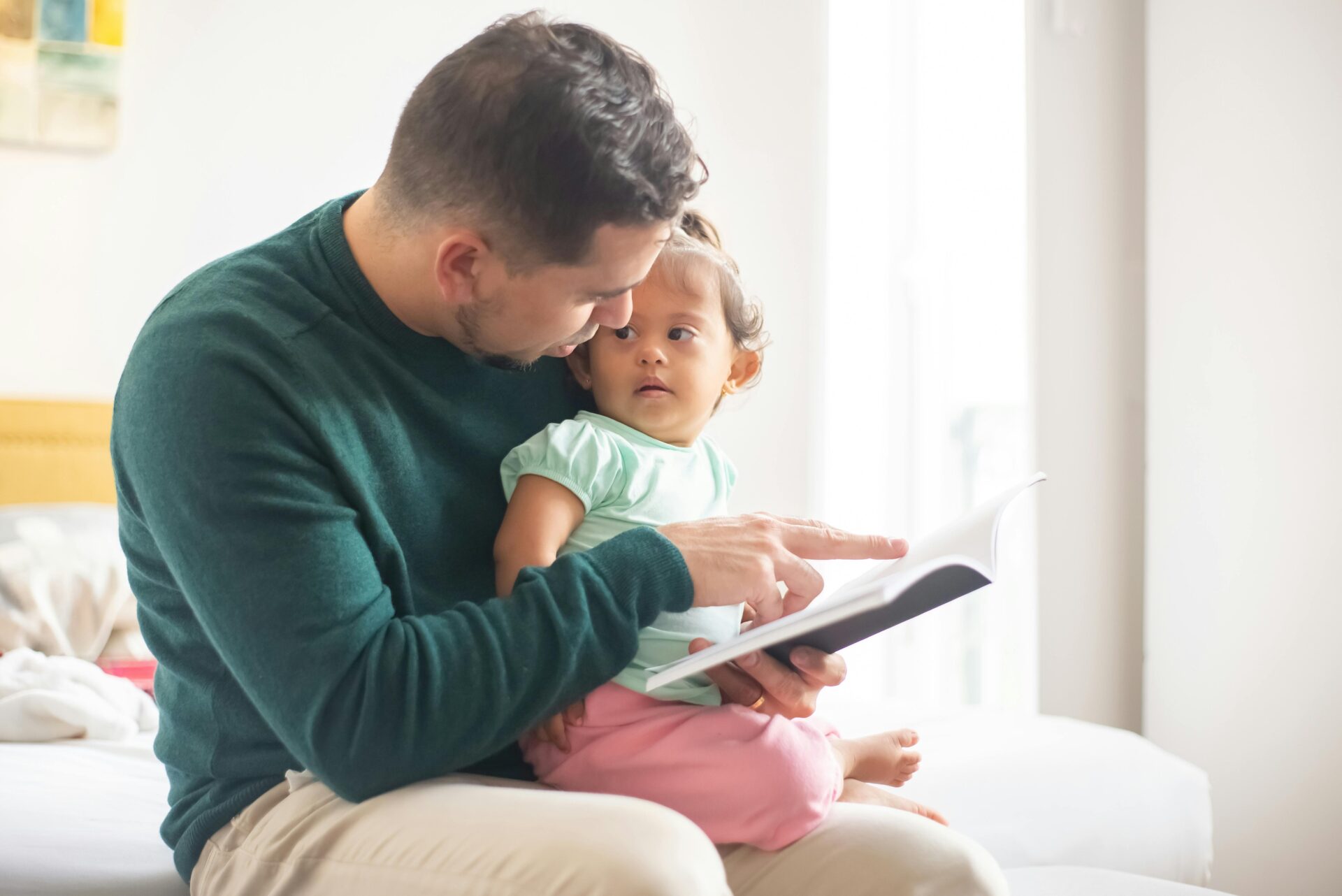
Every year on March 21, the world comes together to celebrate World Down Syndrome Day (WDSD), a day dedicated to raising awareness and advocating for the rights of individuals with Down syndrome. This date, 21/03, symbolizes the triplication of the 21st chromosome, which causes Down syndrome. It’s a day to embrace diversity, promote inclusion, and empower individuals with Down syndrome to live fulfilling lives.
This year, the global theme for WDSD is “Improve Our Support Systems”. This theme highlights the urgent need for governments and communities to create better, more effective support systems for people with Down syndrome and their families. Support is not just a privilege—it’s a fundamental human right that enables individuals to live with dignity, autonomy, and independence.
A Story of Perseverance and Potential
Meet Aarav, a 24-year-old young man with Down syndrome from Hyderabad, India. Aarav grew up in a close-knit family that always believed in his potential. However, navigating the world with limited resources and inadequate support systems was a challenge. His parents spent years advocating for inclusive education and searching for specialized training programs.
Despite the odds, Aarav’s journey blossomed when he joined a vocational training center that focused on life skills and employment opportunities for individuals with disabilities. Through determination and encouragement, Aarav excelled in culinary arts. Today, he works as a sous chef at a popular café, where he’s known for his remarkable baking skills and warm personality.
Aarav’s story is a testament to the power of proper support, training, and belief in capabilities. His success not only inspires others but also showcases that individuals with Down syndrome can thrive when given opportunities tailored to their strengths.
Why Support Systems Matter
Support systems play a crucial role in ensuring that individuals like Aarav can access their rights and opportunities. From education and employment to healthcare and community inclusion, the right support can transform lives. However, many people with Down syndrome around the world face barriers due to inadequate or ineffective support systems. Families and caregivers also struggle to find the resources they need to empower their loved ones.
The Role of Training and Building Capabilities
Training and skill development programs are pivotal for unlocking the potential of individuals with Down syndrome. Given the opportunity and appropriate support, individuals with Down syndrome can acquire a wide range of skills and contribute meaningfully to society. Here’s how training can make a difference:
- Education and Lifelong Learning: Early intervention programs and inclusive education enable children with Down syndrome to develop communication, cognitive, and social skills. Lifelong learning opportunities help individuals continue to grow and thrive.
- Employment and Vocational Training: Tailored vocational training equips individuals with job-specific skills, increasing their employability. People with Down syndrome have proven their capabilities in various fields, such as retail, hospitality, arts, and office administration.
- Independent Living Skills: Training in daily living activities, decision-making, and financial management fosters independence and self-reliance, helping individuals with Down syndrome lead fulfilling lives.
- Talent and Creativity Development: Many individuals with Down syndrome possess remarkable talents in areas like music, sports, and the arts. Fostering these abilities through specialized programs boosts confidence and self-expression.
What Needs to Change
To build a truly inclusive and equitable society, we must reimagine and reform our support systems for individuals with Down syndrome. It is not enough to recognize their rights—we must actively uphold them. Here’s what needs to change:
- Uphold Human Rights: Recognize and protect the full spectrum of rights for individuals with Down syndrome, ensuring equality, dignity, and freedom from discrimination in all aspects of life.
- Develop Person-Centered Services: Move beyond one-size-fits-all approaches. Design services and programs that are flexible, individualized, and responsive to the unique needs, preferences, and aspirations of each person.
- Include Their Voices: Actively involve individuals with Down syndrome in policymaking, program design, and community planning. Representation matters—nothing about them without them.
- Ensure Access to Key Resources: Invest in accessible, affordable housing, transport, healthcare, and assistive technologies that enhance mobility, communication, and independence.
- Guarantee Social Protection: Expand and strengthen disability-inclusive social protection measures to cover additional costs related to care, education, health, and daily living.
- Support Families and Caregivers: Provide families with the information, respite, financial assistance, and emotional support they need to effectively care for and empower their loved ones.
- Invest in Inclusive Education and Employment: Promote lifelong learning and inclusive employment policies that enable individuals with Down syndrome to learn, grow, and contribute meaningfully to society.
How You Can Get Involved
World Down Syndrome Day is not just a moment for awareness—it is a movement for change. Each of us has a role to play in dismantling barriers and building a more inclusive world. Here’s how you can take meaningful action:
- Educate Yourself and Others: Learn about Down syndrome and share accurate information to challenge myths, stereotypes, and stigma in your community.
- Support Inclusion: Advocate for inclusive education, workplaces, and public spaces where people with Down syndrome are welcomed, respected, and empowered to participate fully.
- Amplify Voices: Follow and support individuals with Down syndrome who are self-advocates. Center their perspectives in conversations about disability rights and inclusion.
- Volunteer or Donate: Partner with local organizations working to improve the lives of individuals with Down syndrome through education, employment, and support services.
- Engage with Policymakers: Urge your local and national representatives to prioritize disability-inclusive policies and invest in person-centered support systems.
- Celebrate Differences: Embrace neurodiversity. Value the unique strengths, talents, and perspectives that individuals with Down syndrome bring to our communities.
A Call to Action
This World Down Syndrome Day, let’s move beyond symbolic gestures and commit to systemic change. Let’s demand and drive the creation of stronger, more inclusive support systems that allow individuals with Down syndrome to live with autonomy, dignity, and opportunity.
Together, we can build a future where:
- Diversity is not only accepted but celebrated
- Support is not an afterthought, but a foundation
- Inclusion is not optional, but essential
Stand up, speak out, and show up—because everyone deserves the chance to thrive.